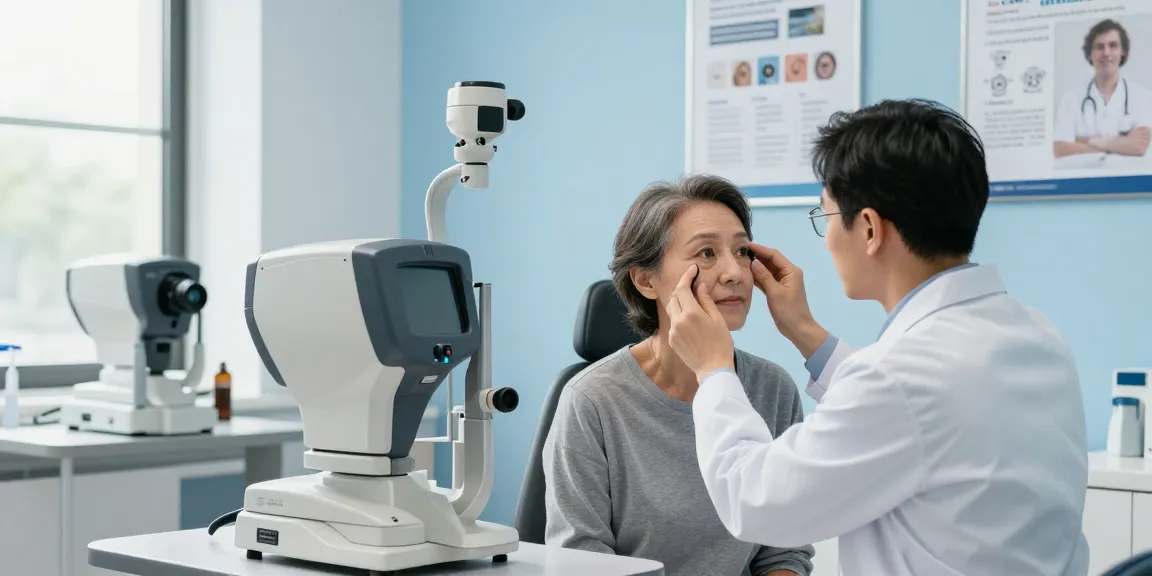
Understanding David Hoffmeister’s Teachings on Health
In the complex interplay of spirituality and health, the teachings of David Hoffmeister stand out for their deeply compassionate and transformative approach. With an emphasis on non-dualism, Hoffmeister encourages individuals to recognize their inherent connection to a greater consciousness. His teachings extend beyond philosophical musings and integrate practical applications that enhance mental and emotional wellness. Particularly, as we navigate through 2026, the integration of spiritual insights into health practices presents a unique opportunity for holistic healing. Exploring david hoffmeister reviews demonstrates the impact of these teachings on stress management, emotional health, and patient care.
The Role of Spirituality in Patient Care
Spirituality plays a crucial role in the overall well-being of patients, influencing their outlook on health and their journey toward recovery. Recognizing a patient’s spiritual needs can significantly enhance the doctor-patient relationship and improve treatment outcomes. As healthcare professionals become increasingly aware of the importance of holistic care, the principles espoused by Hoffmeister emphasize unconditional love, forgiveness, and inner peace as components that can pave the way for healing. Empowering patients to explore their spiritual beliefs while providing compassionate support during their medical journey fosters resilience and emotional stability.
How David Hoffmeister Influences Mental Wellness
David Hoffmeister promotes a therapeutic approach to mental wellness that involves deep inner exploration and understanding of one’s thoughts and feelings. His insights into mental wellness emphasize mindfulness techniques that help individuals identify and release negative thought patterns. This alignment with the principles of A Course in Miracles teaches that the mind’s perceptions shape one’s reality, leading to practical methods for achieving mental clarity and emotional balance. By adopting these teachings, patients can cultivate a more profound sense of peace, reducing symptoms of anxiety and depression.
Integrating Non-Dual Teachings into Medical Practice
Integrating non-dual teachings into medical practice allows healthcare providers to address the underlying psychological and spiritual challenges that patients face. These teachings can reshape how medical professionals view their role, encouraging a shift from merely treating symptoms to nurturing the whole person. Practitioners who implement Hoffmeister’s teachings may find that their ability to empathize inspires greater trust and openness in their patients. Emphasis on emotional well-being also promotes adherence to treatment protocols, as patients feel more supported in their healing journey.
Best Practices in Patient Communication
Effective communication in healthcare is paramount to fostering positive relationships with patients. By employing best practices in communication, healthcare providers can promote adherence to treatment plans and contribute to a more satisfying care experience.
Building Trusting Doctor-Patient Relationships
Building a trusting relationship requires healthcare providers to demonstrate respect, empathy, and understanding toward their patients. Establishing rapport encourages patients to be open about their symptoms and concerns, facilitating a more accurate diagnosis. Incorporating Hoffmeister’s principles of compassionate communication and non-judgment further enhances trust. Effective communication not only eases patient anxiety but also supports shared decision-making, giving patients a sense of control over their health journey.
Active Listening Techniques for Healthcare Providers
Active listening is essential in healthcare to ensure patients feel heard and respected. Techniques such as reflective listening, summarizing key points, and validating feelings empower patients to express themselves fully. This aligns with Hoffmeister’s teachings on understanding and acceptance, which suggest that recognizing a person’s experience is vital for healing. Practicing active listening has been shown to encourage a therapeutic alliance, fostering better health outcomes and a more supportive environment for patients.
Using David Hoffmeister’s Principles in Consultations
Incorporating Hoffmeister’s principles of forgiveness and unconditional love during consultations can profoundly affect the therapeutic process. When healthcare providers approach conversations with compassion and openness, patients often respond positively, leading them to engage more actively in their care. Encouraging a dialogue about spiritual exploration can also empower patients to pursue holistic wellness, fostering relationships that are grounded in mutual understanding and respect.
Innovative Approaches to Mental Health
The field of mental health continues to evolve, with innovative approaches emerging that prioritize compassionate and holistic treatments. Incorporating spiritual perspectives can enhance traditional mental health practices.
Compassionate Treatments for Common Mental Health Issues
Compassionate care for mental health issues includes recognizing the individual’s emotional and spiritual needs while providing appropriate medical interventions. Techniques such as cognitive-behavioral therapy (CBT) combined with spiritual counseling have shown promising results in addressing issues such as depression and anxiety. Hoffmeister’s teachings on transforming thought patterns through awareness and acceptance can facilitate recovery from mental health challenges, allowing patients to approach their conditions with new perspectives. By adopting a dual approach, care providers can collaboratively empower patients to connect with their core selves, enhancing their journey toward wellness.
Incorporating Mindfulness and Acceptance
Mindfulness and acceptance practices position individuals in the present moment, reducing rumination and stress. Mindfulness training has gained traction in mental health for its ability to produce significant changes in patients’ responses to stress. Integrating mindfulness techniques with Hoffmeister’s teachings fosters a comprehensive approach, where patients learn to let go of past grievances and worries about the future. Research supports that mindfulness practice can lead to improved mental health outcomes, making it a valuable technique for patients seeking balance and peace in their lives.
David Hoffmeister’s Insights on Forgiveness in Healing
Forgiveness is a cornerstone of Stephen Hoffmeister’s teachings and a vital aspect of healing from emotional trauma. Patients often carry burdens of guilt and resentment that hinder their healing process. Hoffmeister teaches that true forgiveness involves releasing these burdens and recognizing that they are not a reflection of one’s identity or worth. Integrating forgiveness practices in treatment plans can assist patients in moving forward and releasing the past, thereby enhancing their emotional well-being. By creating a nurturing environment where forgiveness is encouraged, healthcare providers can aid patients in their journeys toward lasting peace and healing.
Preventive Care for Holistic Wellness
Preventive care plays a vital role in maintaining holistic wellness, focusing on proactive measures to promote improved health outcomes for individuals and communities.
Screenings and Assessments Recommended for 2026
With advancements in guideline recommendations, screenings have become essential for early detection of various health issues, including mental health conditions. Updated screenings for anxiety, depression, and other mental disorders will be crucial to patient-centered care by 2026. Regular physical health assessments, alongside mental health screenings, offer a comprehensive approach to preventive care by identifying risk factors early on. Incorporating Hoffmeister’s holistic view, assessments can also include questions about a patient’s spiritual well-being, demonstrating a commitment to total wellness.
Patient Empowerment through Knowledge and Spirituality
Empowering patients with knowledge about their health conditions encourages active participation in their care. An informed patient is more likely to adhere to treatment plans and adopt positive lifestyle changes. Resources that emphasize spiritual health—such as mindfulness-based programs and spiritual support groups—provide patients with tools for managing not only physical ailments but also emotional and spiritual challenges. By drawing from Hoffmeister’s perspective, healthcare providers can offer patients a pathway of understanding that encourages them to explore their spirituality and its connection to their overall health.
Developing Personalized Wellness Plans
Personalized wellness plans are essential in today’s healthcare landscape, as they recognize that each patient’s journey is unique. By focusing on individual experiences and needs, providers can craft tailored plans that incorporate dietary adjustments, exercise regimens, and spiritual exploration. Innovations in telehealth and digital health platforms allow for continuous engagement and adjustment of these plans, ensuring patients receive comprehensive support. Incorporating Hoffmeister’s teachings on self-recognition within these personalized plans ensures a holistic approach that nurtures the mind, body, and soul.
Navigating Patient Rights and Healthcare Advocacy
In order to achieve effective healthcare results, patients must have a clear understanding of their rights. Advocacy is a critical component that ensures patients are informed and able to participate fully in their care.
Understanding Your Rights in Medical Care
Patients have a right to receive comprehensive information regarding their diagnoses, treatment options, and the risks associated with these options. Healthcare providers must create transparent communication channels that empower patients to ask questions and express concerns. An understanding of patient rights, as well as an awareness of Hoffmeister’s principles of self-advocacy, allows individuals to express themselves effectively during medical consultations, improving their overall experience and outcomes.
Taking Action with Medical Advocacy
Medical advocacy involves supporting patients to ensure they receive the care they deserve. This can include assisting with appointments, ensuring questions are answered, and advocating for necessary treatments. Empowering patients to be advocates for themselves aligns with Hoffmeister’s teachings on the significance of self-awareness and agency. Advocacy plays a key role in navigating the complexities of the healthcare system, ensuring patients achieve the best possible results from their care.
Utilizing Community Resources Effectively
Community resources can enhance patient care by providing additional support and addressing the needs that may not be met within traditional healthcare settings. Services such as mental health support groups, spiritual guidance centers, and wellness programs can be invaluable. Encouraging patients to connect with community resources in alignment with their spiritual and emotional needs creates a network of support that amplifies their healing process. By fostering relationships with local organizations, healthcare providers can significantly enhance the health and wellness of their patients.
Frequently Asked Questions
What is David Hoffmeister’s impact on health and wellness?
David Hoffmeister’s impact on health and wellness primarily revolves around his teachings on inner peace, forgiveness, and unity. By guiding individuals through these principles, he fosters emotional healing and resilience, which are integral to overall health.
How can I apply Hoffmeister’s teachings in my practice?
Hoffmeister’s teachings can be applied in practice by prioritizing the emotional and spiritual needs of patients, incorporating mindfulness techniques, and encouraging forgiveness in healing processes. This holistic approach can significantly enhance patient outcomes.
What are the benefits of integrating non-dual teachings in healthcare?
Integrating non-dual teachings in healthcare can promote a deeper understanding of the mind-body connection, improve patient-provider relationships, and enrich the overall healing process. This approach encourages emotional freedom, acceptance, and inner peace among patients, ultimately improving overall health outcomes.